OXO Screwdriver Prototype

Context of Design

The premise of this prototype is that I had to mock a new product for the company "OXO," which specializes in making household goods.

Maintaining OXO’s brand integrity was very important to me when designing this automated screwdriver. When analyzing OXO’s products on their website, it became very clear that this company placed a high value on making products that appealed to people looking for sleek, modern, and casual products for their homes. I believe that OXO conveys these undertones in their products by their use of rounded edges, lack of sharp angles, and tactile choices.

 With the screwdriver I prototyped, I tried my best to implement these design strategies. I decided to design the case of the screwdriver similarly to OXO’s other products by ensuring that there are minimal sharp angles, which in turn left the casing of the screwdriver with rounded edges.

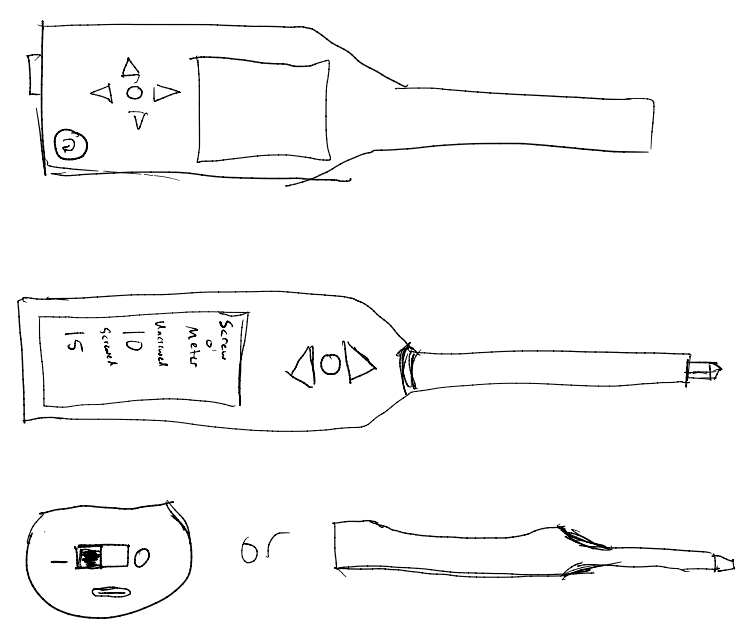
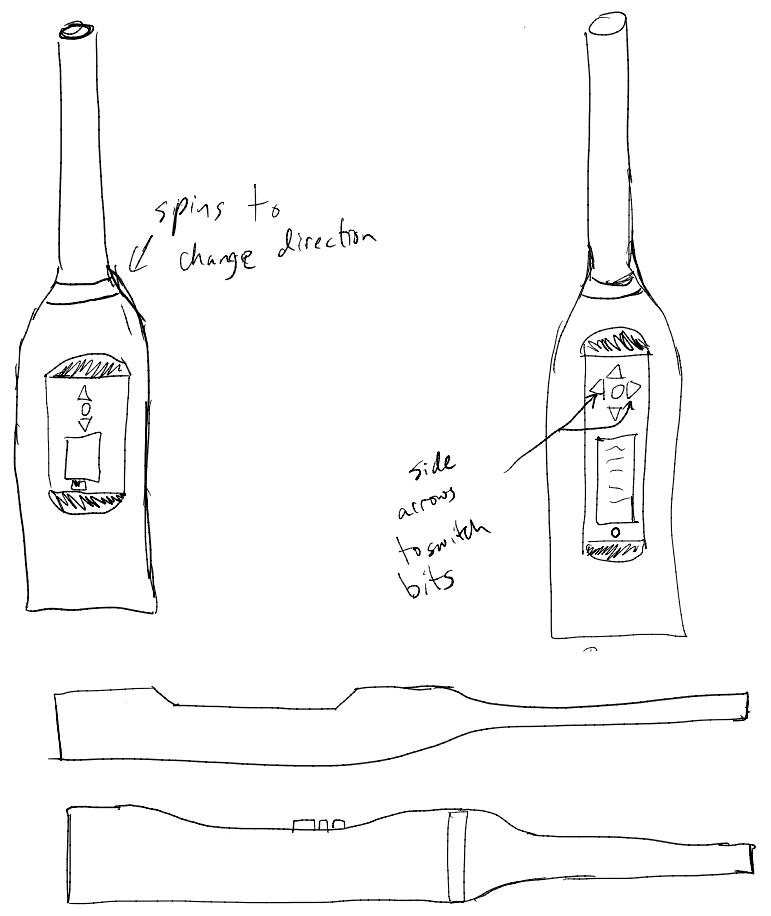
Another crucial element of the screwdriver was the placement of the various needed buttons for the device, being up, side, and center button, the power button. Buttons on OXO’s other devices are very low profile, so the buttons on the prototype follow suit. The display for this screwdriver is also inlaid into the device itself, similar to OXO’s other products of relevance. Last, the directional switch toggle for the screwdriver was modeled after conventional drills as to follow conventional design patterns for similar tools.

Prototyping

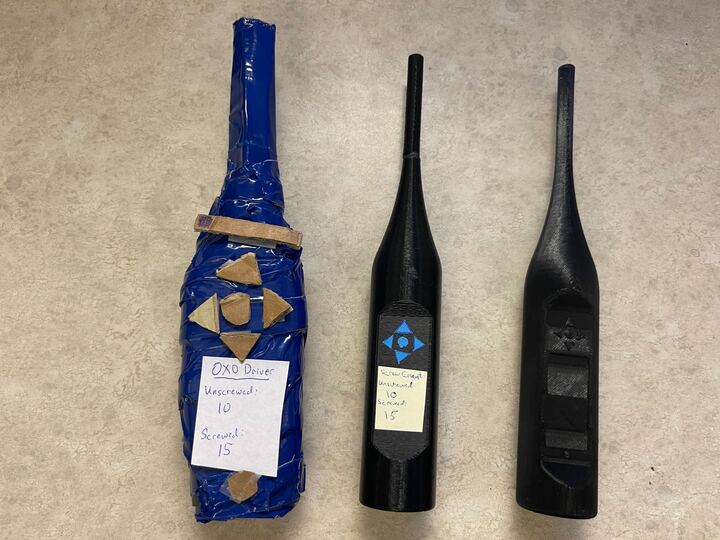
I wanted to make sure that I had a good idea of the general shape of my prototype and slowly get more detailed with it, as I made stylistic adjustments accordingly. My first prototype was a very rudimentary design mainly for me to see what the approximate figure would look like in the real world.
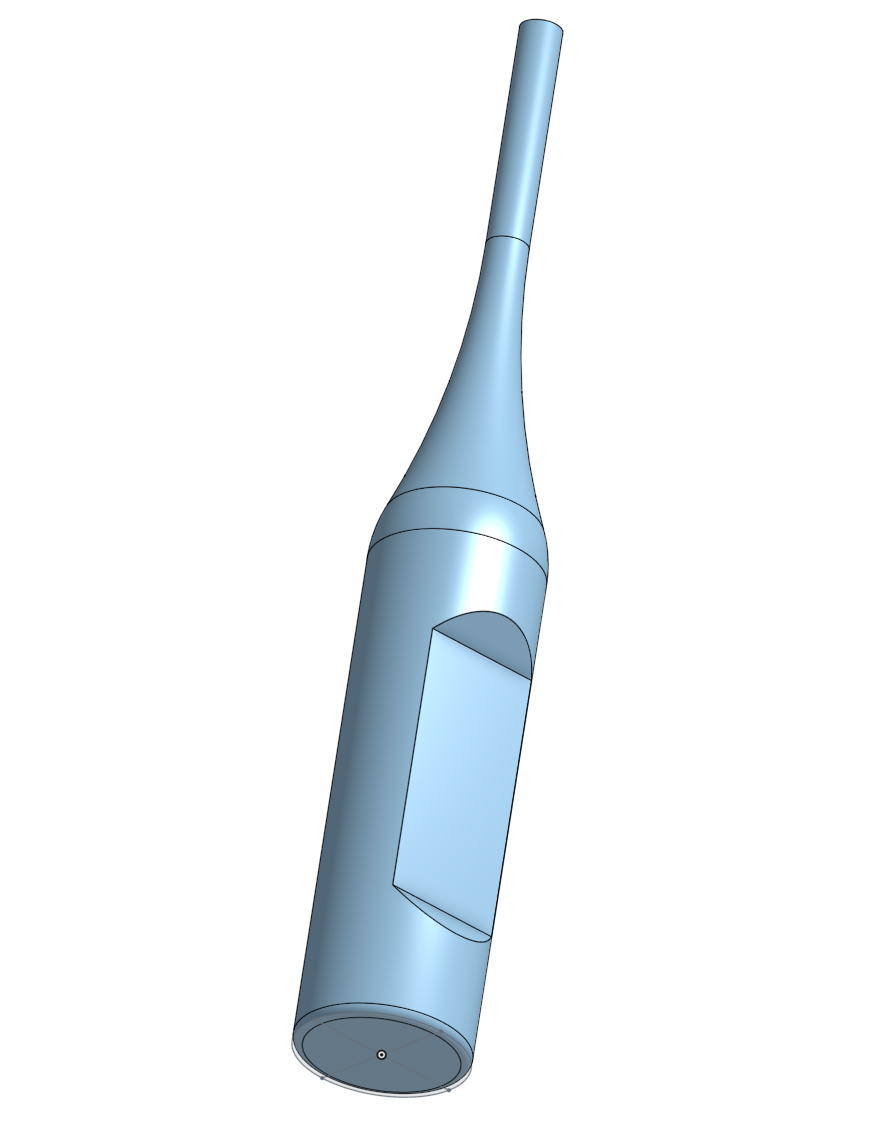
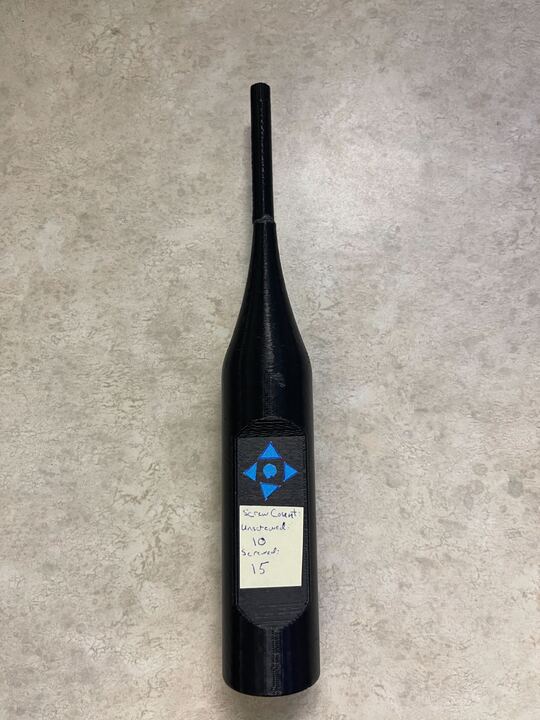
After looking at this prototype, I noticed that the edges of the sides were too rough and sharp, which went against OXO’s design philosophy. I knew that I generally wanted the buttons and screen to be inlaid, thus making the screwdriver not a perfect cylinder for the handle portion. For my second attempt, I rectified this problem by actually adding the buttons and smoothing out the sides.
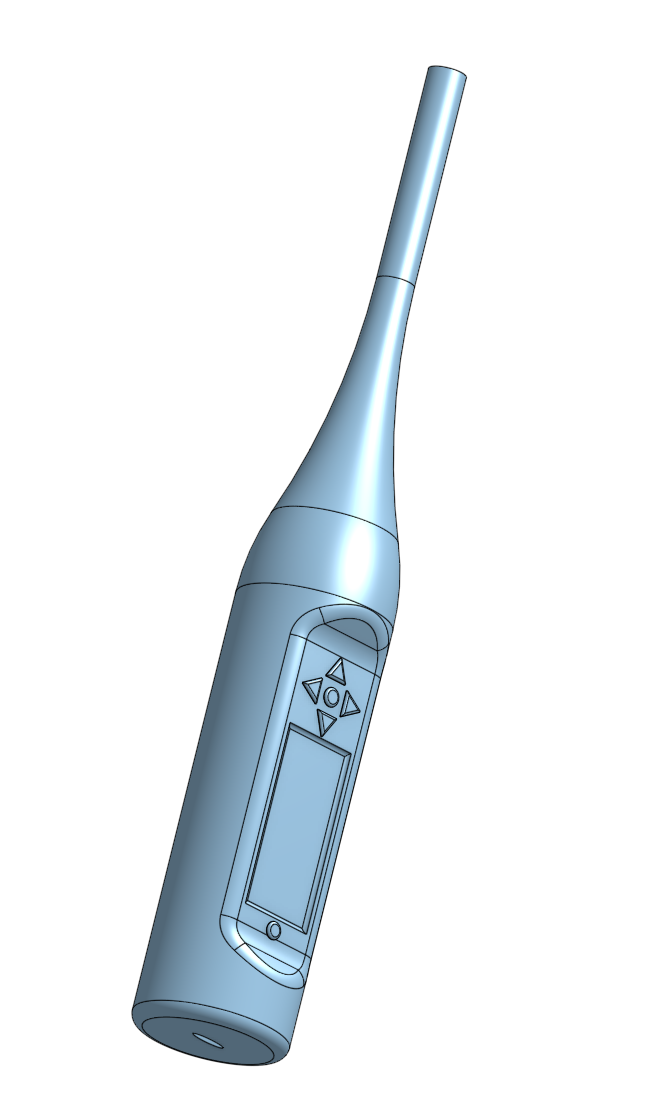
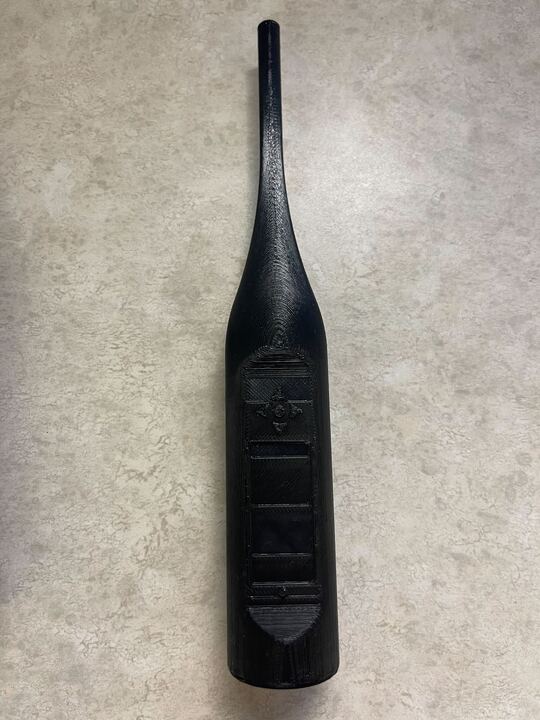
This iteration is much closer to what I envisioned. However, it was lacking in providing the user a somewhat accurate experience of whait would be like to hold this object in hand. Thus, I decided to make the final iteration of this prototype handmade, allowing me to add weight and give different textures to the prototype, which is not possible when 3D printing it.

Analysis

This prototype, while imperfect, did have some things going for it. After conducting some user testing, it was clear that the premise and general design were intuitive and reasonably discoverable. For example, the up and down arrows and middle button were easily distinguishable as speed and pause/go button, respectively. Also, users responded well to the placement of the buttons and screen. Furthermore, users also found the product to be in line with OXO's design language. However, there were some aspects that did not work very well or were unclear.

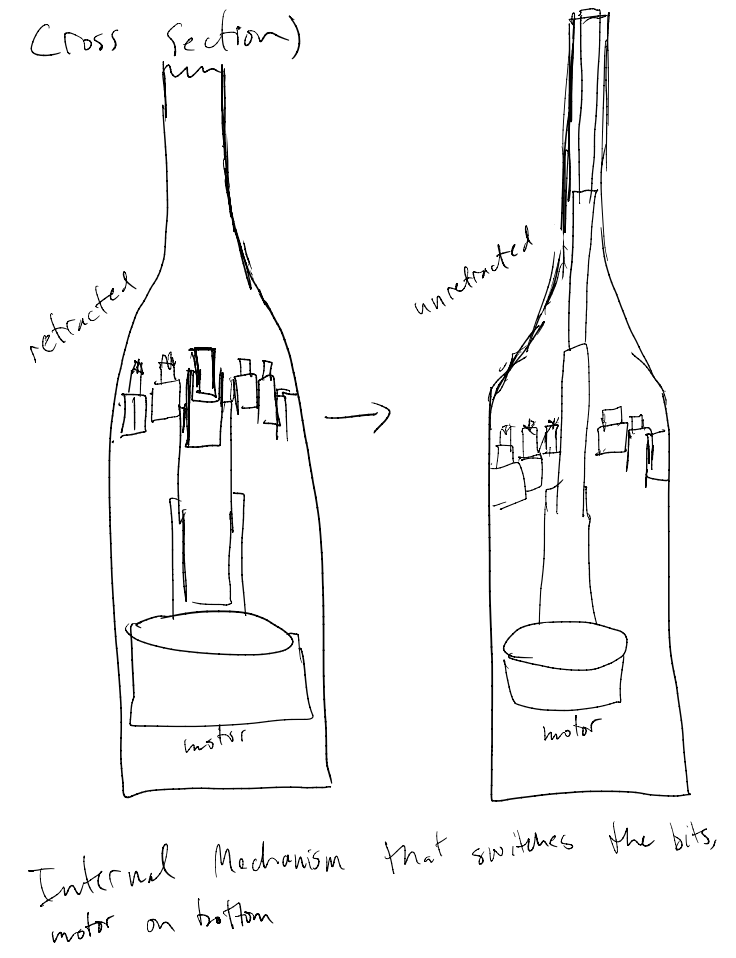
First, the process I initially had in mind for changing each bit was not clear. I did not think entirely through the process and take into account what the screwdriver would do while the user was making a change to the bit they were using. If I were to do this again, I probably would make a separate interface that pops up when the user was changing bits and make the user confirm their selection via the central circular button. 

Second, the toggle mechanism I made on my low fidelity prototypes were wonky and didn’t make a ton of sense, mainly due to its size. Future iterations of this device would include a totally redesigned toggle mechanism, or a significantly smaller one.

The last piece of critical feedback I received pertained to the screwed and unscrewed counts. My user wanted to be able to reset those two counts, which is something that my model did not allow. While this feedback is specific for this individual task, I would add more features that the screen could provide, such as user profiles.

Want to get in touch?
Send me an email.

liamsalas2534@gmail.com